

Why Travel Comfort Gear Is Necessary for Every Trip
Table of Contents
- The Physical Toll of Travel Without Proper Support
- Essential Carry-On Items for Comfort on Every Journey
- How to Prevent Travel Fatigue With the Right Gear
- Best Ergonomic Travel Accessories for Pain Relief
- Thermal Comfort and Temperature Regulation During Travel
- Travel Comfort Gear for Specific Conditions and Needs
- Making Your Investment Count: Durability and Value
- Conclusion
- Frequently Asked Questions
Last Updated: September 26, 2026
The Physical Toll of Travel Without Proper Support
Long flights, layovers, and cramped airport seating take a real toll on your body. When you travel without proper support, your spine compresses, muscles tighten, and circulation slows. By the time you land, you're stiff, sore, and exhausted, sometimes more tired than when you started.
Without ergonomic support, poor posture compounds the problem. Neck strain, lower back pain, and shoulder tension aren't just uncomfortable, they can linger for days after your trip ends.
The right travel comfort gear transforms the experience: better sleep quality, less post-travel soreness, and the ability to enjoy your destination instead of spending the first day recovering.
Essential Carry-On Items for Comfort on Every Journey
Your carry-on should contain more than just documents and entertainment. The right essentials make hours of sitting bearable.
A quality neck pillow prevents head strain on flights over two hours. Memory foam designs that mold to your neck's natural curve work better than generic U-shaped pillows. Pair this with a memory foam seat cushion that distributes pressure evenly across your hips and lower back, reducing strain during long flights.
Compression socks deserve a spot in your carry-on. They improve circulation in your legs and feet, reducing swelling and fatigue. Many travelers skip these, then wonder why their ankles are puffy and their legs feel heavy by hour four.
A portable heating pad or heated wrap addresses muscle tension before it becomes severe pain. The USB Heated Shoulder Support Wrap With Vibration Option combines targeted warmth with vibration therapy, delivering relief exactly when you need it most, whether you're on a plane, in an airport, or waiting in a hotel room.

| Essential Item | Purpose | Ideal Duration |
|---|---|---|
| Neck pillow | Cervical spine support | All flights over 2 hours |
| Memory foam seat cushion | Hip and lower back support | Entire journey |
| Compression socks | Circulation and swelling reduction | Flights over 4 hours |
| Heated shoulder wrap | Muscle tension relief | As needed during travel |
| Portable massager | Trigger point release | 10-15 minutes daily |
How to Prevent Travel Fatigue With the Right Gear
Travel fatigue combines physiological stress, cognitive load, and psychological strain that compounds over hours of travel.

Prolonged sitting restricts blood flow, cabin pressure dehydrates tissues, and immobility triggers muscle tension. Meanwhile, constant sensory input, engine noise, announcements, unfamiliar environments, demands sustained attention, depleting mental resources beyond what physical activity alone would cause.
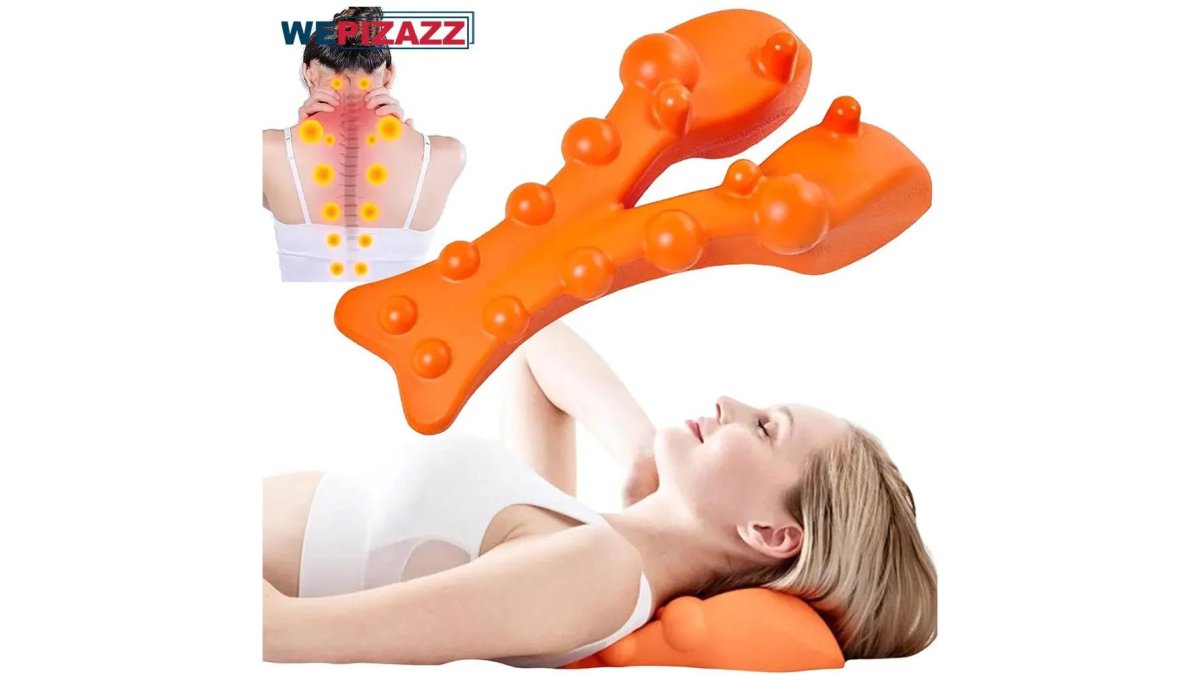
Proper neck support reduces background tension that keeps your brain in a low-level alert state. Addressing muscle tension with targeted heat or trigger-point therapy (like the Ultimate Neck Relief: Cervical Traction Device & Trigger Point Massager) signals your nervous system that pain has been managed, allowing your brain to shift out of protective mode and rest.
A cold cabin keeps your sympathetic nervous system partially activated. The Heated Electric Blanket Shawl eliminates this stressor, warmth signals safety to your nervous system, allowing your parasympathetic system to activate and enable actual rest.

Circulation support through compression socks and memory foam seat cushions prevents anxiety about swelling, numbness, or back pain. By preventing these sensations before they start, you free your brain to relax instead of monitoring for pain.
A memory foam seat cushion redistributes pressure and allows better circulation. Combined with compression socks, this dual approach prevents your legs and lower back from becoming pain points that derail your trip.
A traveler with proper support, neck stability, thermal comfort, circulation support, and pressure relief, arrives less exhausted because their body and brain didn't have to work as hard to manage stress.
Best Ergonomic Travel Accessories for Pain Relief
Targeted pain relief requires gear designed for specific problem areas, not generic solutions that only marginally improve comfort.
Neck and shoulder pain dominates travel complaints. The Ultimate Neck Relief device addresses this through trigger point therapy and cervical traction, releasing tension that causes headaches and stiffness in ten minutes.
Ultimate Neck Relief: Cervical Traction →
For travelers with chronic pain, the USB Heated Shoulder Support Wrap delivers warmth and vibration to increase blood flow and reduce stiffness. It's rechargeable via any USB power source, making it practical for multi-leg journeys.
Lower back pain requires consistent support throughout your journey. The Ergonomic Memory Foam Seat Cushion supports proper spinal alignment during prolonged sitting, fits most airline and train seats, and features a breathable mesh cover to prevent heat buildup.
Thermal Comfort and Temperature Regulation During Travel
Cabin temperature varies wildly. The right thermal gear adapts to whatever the cabin throws at you.
A heated blanket shawl solves the cold problem without bulk. The USB-powered design offers three temperature settings, with eight heating zones distributing warmth across shoulders, back, and torso. It heats up in 8 seconds.
For travelers who run cold, a heated shawl removes the barrier to rest, allowing your body to relax during travel.
A moisture-wicking base layer prevents the clammy feeling that disrupts sleep. The heated shawl's knitted fabric works with these layers rather than trapping moisture.
Travel Comfort Gear for Specific Conditions and Needs
Travelers with chronic pain, mobility challenges, sensory sensitivities, or disabilities face compounded stress during travel. The right travel comfort gear is accessibility infrastructure, not a luxury.
For travelers with chronic pain conditions (arthritis, fibromyalgia, chronic fatigue syndrome): Heat and vibration therapy are functional tools that preserve mobility and reduce flare-ups. The USB Heated Shoulder Support Wrap With Vibration Option reduces stiffness and increases blood flow without active movement. Compression socks reduce swelling and joint stress, allowing freer movement at your destination.
For travelers with sensory processing differences (autism spectrum, sensory processing disorder, ADHD): A heated wrap offers deep pressure stimulation and predictable sensory input in an unpredictable environment. A quality neck pillow with memory foam offers proprioceptive feedback that many sensory-sensitive travelers find grounding. The Ergonomic Memory Foam Seat Cushion provides consistent pressure distribution. For travelers with ADHD, a heated wrap to focus on during flights can reduce anxiety and improve attention regulation.
For travelers with mobility limitations or chronic fatigue: Every step through an airport, every moment of standing in a security line, every adjustment in your seat depletes energy reserves. Comfort gear that minimizes the need for repositioning or movement becomes critical. A memory foam seat cushion that provides proper support throughout your entire journey means you don't have to shift positions constantly to find relief. Compression socks prevent the swelling and heaviness that makes walking more difficult after a flight. For travelers with conditions like ME/CFS (myalgic encephalomyelitis/chronic fatigue syndrome), the ability to remain comfortable and supported without expending energy on constant adjustments can mean the difference between arriving functional or arriving in a crash state.
For caregivers traveling with elderly parents or companions with disabilities: You're managing someone else's comfort while managing your own physical strain. Lightweight, portable support gear reduces the physical burden on you. A heated wrap for your own sore shoulders means you're not arriving at your destination already depleted.
Making Your Investment Count: Durability and Value
Travel comfort gear only works if it lasts. A neck pillow that flattens after one trip isn't an investment, it's waste.
Conclusion
Travel doesn't have to leave you sore, stiff, and exhausted. The physical toll of travel without proper support is real, but it's entirely preventable. The right gear, targeted support for your neck and shoulders, thermal regulation, circulation support, and pressure relief for your lower back, transforms how you experience travel.
Frequently Asked Questions
How does ergonomic travel gear actually reduce physical fatigue during long flights?
Ergonomic travel comfort gear supports your body's natural alignment, reducing strain on muscles and joints. Neck pillows stabilize your cervical spine, seat cushions distribute pressure evenly across your hips and lower back, and heated wraps improve circulation to prevent stiffness. When your body isn't fighting against poor positioning for hours, you arrive less exhausted and with less post-travel soreness.
What are the most essential carry-on items for comfort I should never skip?
Prioritize a quality neck pillow, a compact seat cushion, compression socks or sleeves, and a heated blanket shawl or portable heat wrap. Add noise-canceling headphones or earplugs, a travel-sized toiletry kit, and a document holder for easy access to boarding passes. These items address the biggest comfort challenges: neck and back support, circulation, temperature control, and stress reduction during transit.
Is travel comfort gear worth the extra cost and carry-on space?
Yes, especially for trips longer than four hours. Quality gear prevents post-travel pain that can last days, reduces sleep disruption, and improves your overall travel experience. Many pieces like heated blanket shawls and neck pillows are lightweight and compact. When you factor in the cost of physical therapy or missed activities due to travel-induced pain, comfort gear is a practical investment in your health and enjoyment.
Can travel comfort gear help if I have chronic pain or arthritis?
Absolutely. Ergonomic travel accessories are specifically designed to reduce strain on joints and muscles. Products like cervical traction devices, heated shoulder wraps, and memory foam seat cushions provide targeted support and pain relief. The Ultimate Neck Relief device, for example, uses trigger point therapy to release tension in the neck, shoulders, and upper back, common problem areas for travelers with chronic conditions. Heat therapy improves circulation and reduces stiffness, making travel more manageable.