

Travel Gear for Chronic Fatigue Sufferers: 2026 Guide
Table of Contents
- Essential Travel Gear for Chronic Fatigue Sufferers
- Can You Bring a Seat Cushion on a Plane?
- Energy Conservation Techniques for Travel
- Lightweight Luggage for Chronic Pain
- TSA PreCheck and Medical Documentation Templates
- Post-Travel Recovery Protocols
- Frequently Asked Questions
Last Updated: September 17, 2026
Essential Travel Gear for Chronic Fatigue Sufferers
Travel gear for chronic fatigue sufferers is equipment chosen to reduce physical exertion, manage sensory load, and prevent the post-exertional malaise that follows overexertion. At Journey Must Haves, we curate travel essentials for people who want to keep moving without paying for it later. The right gear does not cure fatigue; it removes the friction that turns a manageable trip into a crash.
Seat Cushions and Supportive Accessories
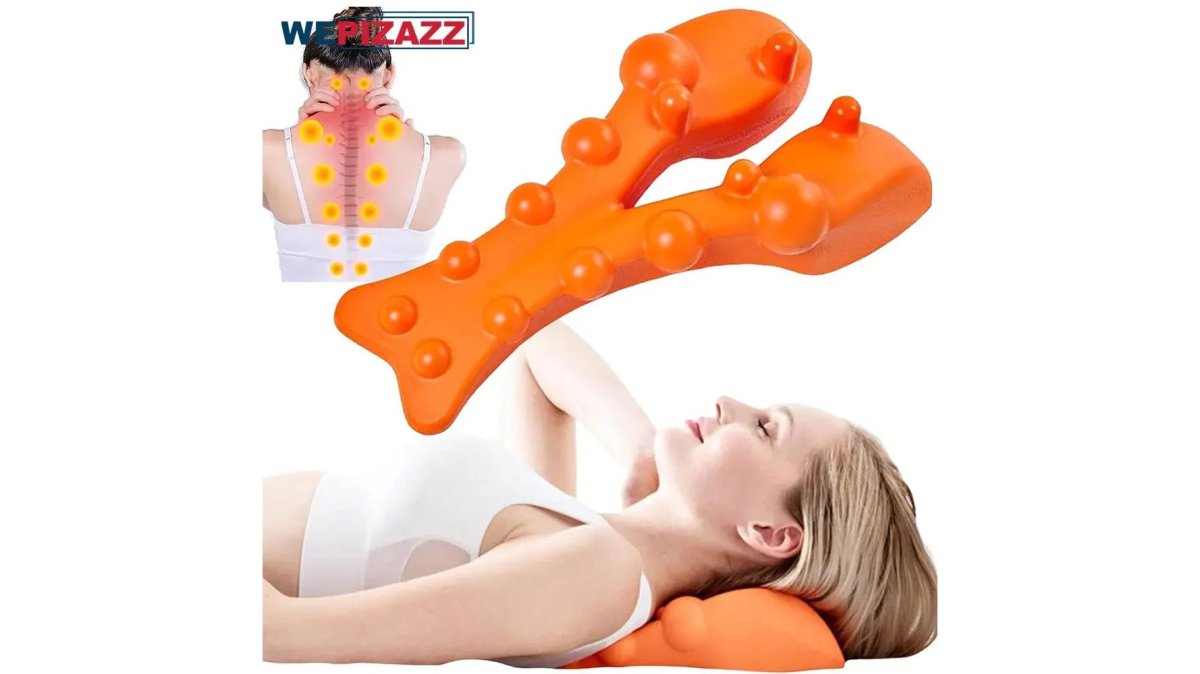
A supportive seat cushion redistributes pressure away from the tailbone and hips during long stretches of sitting. Look for memory foam or gel cores with a cutout at the back, since that gap keeps pressure off the coccyx. Pair it with a cervical traction device to cover the two points that stiffen fastest on a flight: the base of your spine and the curve of your neck.

Noise-Canceling Headphones and Sensory Tools
Can You Bring a Seat Cushion on a Plane?
Yes, you can bring a seat cushion on a plane. The TSA treats standard foam and gel cushions as ordinary carry-on items, and they pass through security without special handling. The TSA guidance on accessible travel confirms that personal comfort items travel with you as part of your allotted baggage.
Energy Conservation Techniques for Travel
Energy conservation techniques for travel are the habits and tools that keep you inside your energy envelope instead of spending tomorrow's capacity today. Treat energy as a fixed budget and decide in advance where it goes. Every technique below has a physical mechanism that reduces exertion, rather than a vague instruction to "take it easy."
Pacing Strategies for Long Travel Days
Pacing means breaking a travel day into blocks with planned rest between them. A red-eye, a connecting flight, and a hotel check-in are three separate exertions, not one continuous event. Travelers who plan 90 to 120 minutes of activity followed by 20 to 30 minutes of horizontal rest finish a travel day with more reserve than those who push straight through.
- Rest in the gate area before boarding, not after you feel symptoms. Post-exertional malaise is delayed, so symptoms are a lagging indicator, not a warning light.
- Book a layover long enough to sit down properly rather than sprint between gates. A 90-minute connection is a different trip than a 40-minute one.
- Request wheelchair or cart assistance even if you can walk. Walking the length of a terminal is a hidden exertion most people underestimate.
- Schedule nothing on arrival day beyond reaching your accommodation.
- Build one buffer day into every three days of activity.
Mobility Gear That Reduces Exertion
Most packing lists stop at comfort items, pillows, headphones, eye masks. The gear that changes your energy math is mobility assistance, because it removes steps and standing time rather than making them more pleasant.
- Lightweight folding canes. A collapsible cane with a derby or ergonomic grip weighs under a pound and folds into a daypack. It shifts load off one hip and knee on long concourse walks and museum floors, and a wrist strap lets you release it to use both hands at a counter.
- Portable folding stools. A telescoping stool that collapses to water-bottle size gives you a seat anywhere, a security line, a boarding queue, a crowded platform. Most models have a low weight rating and small seat, so test yours at home first.
- Rollator or transport chair with a seat. If you already use one at home, travel models with four wheels and a built-in seat double as a rest station. Airlines generally gate-check these free as mobility aids, separate from your baggage allowance.
- Compression socks. Graduated compression reduces the pooling and swelling that make long sitting feel like exertion. Put them on before the flight, not after your ankles swell.
- A folding travel footrest or hammock. Elevating your feet a few inches restores circulation on a long flight and takes pressure off the lower back. Inflatable versions pack flat.
Digital Tools for Energy Tracking
A workable system has three parts:
- A daily log. A notes app or a dedicated pacing app works. Record three numbers: steps or active minutes, hours of sleep, and a 1-to-10 symptom score. That is enough to see a pattern.
- A pre-trip baseline. Track for five to seven days before you leave so you know your normal, not your vacation best.
- A daily ceiling. Set a step or active-minute cap for travel days and treat it as a hard stop, not a suggestion. When you hit it, you sit, even if the day is not finished.
Lightweight Luggage for Chronic Pain
For shoulder and neck tension that builds over a trip, the USB Heated Shoulder Support Wrap with Vibration Option combines heat and vibration in a rechargeable wrap you can wear on the plane. It is a practical way to ease stiffness during a long flight rather than after it.

TSA PreCheck and Medical Documentation Templates
TSA PreCheck reduces the physical demands of screening: no shoe removal, no unpacking electronics, no emptying pockets. For anyone managing fatigue, that saved effort compounds across every flight.
| Document | What It Covers | Where to Keep It |
|---|---|---|
| Clinician letter | Diagnoses, mobility needs, devices | Carry-on, top pocket |
| Medication list | Generic names, doses, schedule | Wallet and phone |
| Device inventory | Serial numbers for mobility aids | Photo on phone |
| Accommodation request | Airline assistance confirmation | Booking folder |
Post-Travel Recovery Protocols
Post-travel recovery protocols are the planned rest you schedule after arrival, and they are the difference between a good trip and a two-week crash. Most travel guides tell you how to survive the flight and stop at the hotel door. For anyone managing post-exertional malaise, the 48 hours after you get home are where the trip is won or lost.
Phase 1: The First 24 Hours (Decompression)
The goal is to stop the exertion debt from compounding. Do not schedule anything, unpack everything, or answer the backlog of messages.
- Hydrate first. Air travel dehydrates, and dehydration worsens fatigue and muscle aches. A full glass of water before you sit down is step one.
- Take a warm shower or use heat therapy on the areas that stiffened in transit, typically the neck, shoulders, and lower back.
- Eat something simple and familiar. Do not make recovery day the day you try a new recipe or a heavy meal.
- Sleep on your normal schedule. A long nap at 2 p.m. will wreck the night's sleep. If you must nap, keep it under 30 minutes.
- Keep lights and sound low. Your nervous system has been running hot for days. Give it a quiet room.
Phase 2: Hours 24 to 48 (Gentle Reintroduction)
This is where most people make the mistake. They feel marginally better on day two and immediately try to "catch up", laundry, groceries, email, a walk. That is the crash trigger.
- Cap activity at roughly half your normal baseline. If you normally walk 3,000 steps, aim for 1,500.
- Do one thing per block, then rest. One load of laundry, then sit. One grocery run, then sit.
- Use heat and massage on lingering stiffness. For joint stiffness after a flight, the Electric Heating Knee Massager with Vibration Therapy offers cordless heat and kneading at home, and the USB Heated Shoulder Support Wrap with Vibration Option does the same for the neck and shoulders.
- Keep the phone on do-not-disturb. The social and work backlog is its own exertion. It can wait one more day.
Phase 3: Days 3 to 7 (Rebuilding)
- Track your symptoms for a full week using the same log you kept during travel. If your symptom score is still elevated on day five, you overdid it and need to extend the low-demand window.
- Reintroduce activity gradually. Add back roughly 10 to 20 percent of your normal activity per day, not all at once.
- Protect sleep above all else. The strongest predictor of a fast recovery is consistent sleep timing.
- Debrief the trip while it is fresh. Write down what gear helped, what you would leave home, and where you crashed. That list is worth more than any packing guide for your next trip.
Frequently Asked Questions
Can you bring a seat cushion on a plane for chronic pain?
Yes, the TSA allows gel or foam seat cushions in carry-on and checked bags. They are treated like any other personal item. If your cushion contains a gel pack, it may need to go through standard screening, but it is not prohibited. Many travelers with chronic pain use a coccyx or lumbar cushion to reduce pressure during long flights. Just ensure it fits your seat and does not block the aisle. For added comfort, consider a lightweight, foldable cushion that attaches to your luggage.

What travel gear helps prevent post-exertional malaise?
Gear that supports energy conservation and reduces physical strain can help prevent post-exertional malaise (PEM). This includes lightweight luggage with spinner wheels, a portable neck traction device for muscle tension, and compression garments to improve circulation. Noise-canceling headphones reduce sensory overload, and a cooling scarf helps with temperature sensitivity. Planning rest breaks and using mobility aids like a collapsible cane also lower exertion. The key is to minimize unnecessary energy expenditure so you stay within your energy envelope.
How do I pack for a trip when I have chronic fatigue syndrome?
Start with a lightweight carry-on to avoid checked bag waits. Pack essentials like medications, a seat cushion, and a neck massager in easy-to-reach compartments. Roll clothes to save space and use packing cubes for organization. Include a portable heating pad or shoulder wrap for muscle relief. Bring snacks and a refillable water bottle to maintain hydration and nutrition. Lay out everything a week ahead and remove non-essentials. Use a checklist to avoid last-minute stress, which can trigger fatigue.
Are there specific travel aids for energy conservation?
Yes, several aids help conserve energy. A lightweight rolling suitcase with four wheels reduces strain on your back and shoulders. A portable neck traction device can relieve tension without needing a massage therapist. Heated shoulder wraps and knee massagers provide targeted relief during downtime. Compression socks improve circulation on long flights. A foldable seat cushion adds comfort without bulk. Digital tools like fitness trackers can remind you to pace. These aids help you do more with less energy, making travel more manageable.
Traveling with chronic fatigue asks you to plan harder than most travelers ever will, and the payoff is a trip you can actually enjoy rather than endure. Journey Must Haves builds its collection around exactly this problem, from cervical traction and heated shoulder support to recovery tools you use once you are home. Explore Our Collections and pack for the trip you want, not the one your energy limits allow.