

AdaptiveMall Alternative for Mobility Gear: Top Picks
Table of Contents
- Why Shoppers Look for an AdaptiveMall Alternative
- Best Travel Gear for Limited Mobility: Footwear and Insoles
- How to Get Insurance Coverage for Mobility Aids
- Adaptive Equipment for Children with Disabilities
- Used vs. New Mobility Gear: What to Know Before You Buy
- Maintenance and Repair Tips for Your Mobility Gear
- Frequently Asked Questions
Last Updated: September 16, 2026
Why Shoppers Look for an AdaptiveMall Alternative
Shoppers searching for an adaptivemall alternative for mobility gear aren't chasing a bigger catalog. They want fewer, better-chosen items that solve a specific travel problem without a return-and-reorder cycle. Journey Must Haves built its travel collection around that idea, curating mobility gear for people who need comfort and support to move through airports, hotels, and unfamiliar cities with confidence.
The real gap isn't selection. It's fit.
Best Travel Gear for Limited Mobility: Footwear and Insoles
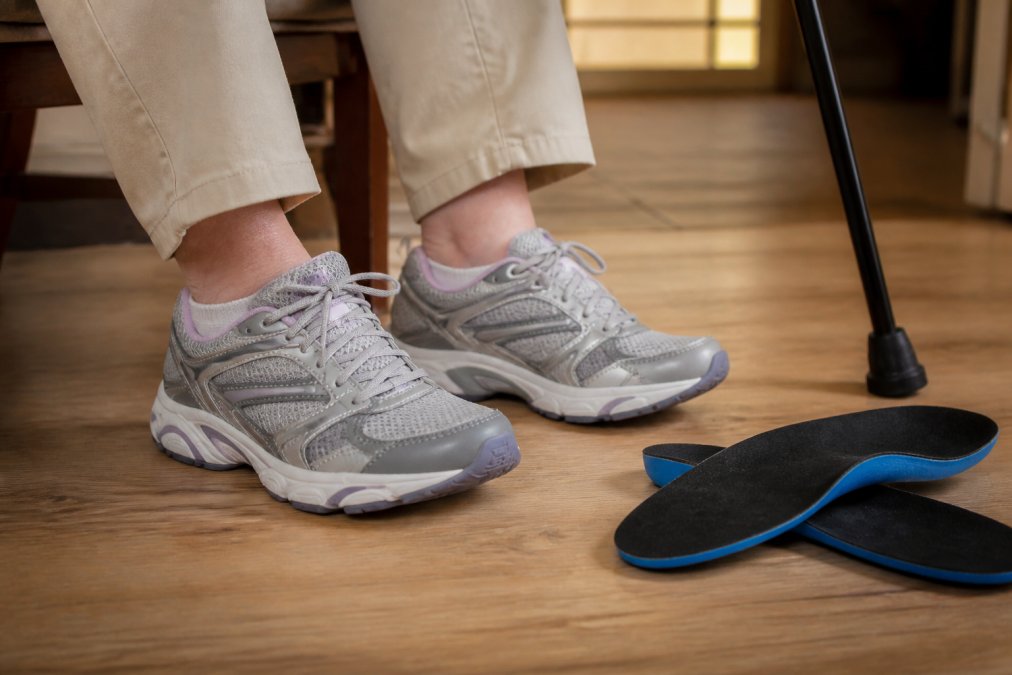
The best travel gear for limited mobility starts at the feet, because foot pain compounds every other mobility challenge. Walking a terminal or standing in a security line punishes unsupported arches and cramped toe boxes far more than a trip to the mailbox.
Diabetic and Wide-Fit Footwear
Ellese & Co. Broadfit Diabetic Footwear ($44.85) uses a zero-drop, barefoot-style build with a memory foam insole that absorbs impact and relieves pressure. The lace-up design adjusts to your foot's shape, which matters when swelling changes day to day. It's the pick for travelers who need room and pressure relief rather than rigid structure.

Orthopedic Insoles and Arch Support
The Orthopedic Sport Insoles ($14.05) offer a 35mm semi-rigid arch that fits low, neutral, and high arches, with a deep heel cup for shock absorption. The listing recommends wearing them one hour a day at first, adding a half hour daily, because correction takes adjustment.
| Product | Price | Best For | Key Feature |
|---|---|---|---|
| Ellese & Co. Broadfit Footwear | $44.85 | Swollen feet, pressure relief | Zero-drop, memory foam insole |
| Women's Wide Width Sneakers | $62.15 | Long walking days | 3cm arch support, wide toe box |
| Orthopedic Sport Insoles | $14.05 | Flat, neutral, high arches | 35mm semi-rigid arch |
| Kids Arch Support Insoles | $4.90 | Children with flat feet | Soft silicone gel |
How to Get Insurance Coverage for Mobility Aids
Insurance coverage for mobility aids hinges on one word: medical necessity. Most plans classify mobility equipment as durable medical equipment (DME), covered only when a clinician documents that the item is required for a medical condition, not for convenience. That documentation is where most claims succeed or fail.
What a Letter of Medical Necessity Actually Needs to Say
An LMN is not a note saying "patient needs a wheelchair." Payers read it against a checklist, and vague language is the most common reason a claim stalls. A working LMN answers six questions:
- Diagnosis and date of onset, the specific condition, not a symptom description
- Functional limitation, what the person cannot do without the equipment (for example, cannot safely ambulate more than a short distance indoors, or cannot transfer without support)
- Why this item, specifically, why a walker will not substitute for the requested wheelchair, or why a standard model will not meet the postural support need
- Duration and expected use, how long the equipment is expected to be needed and where it will be used (home, work, community)
- Prior interventions tried, canes, walkers, therapy, or other equipment that was attempted and failed
- Clinician signature, credentials, and date, an unsigned or undated letter is treated as incomplete
Prior Authorization, Suppliers, and the Paper Trail
Prior authorization is a pre-approval step, not a guarantee of payment, and requirements vary widely by plan. Before you buy:
- Get a written prescription naming the equipment type and HCPCS code if the supplier provides one
- Request the LMN from your clinician and keep a signed copy
- Confirm prior authorization requirements in writing, not over the phone
- Verify the supplier is an approved in-network provider for your specific plan
- Keep copies of every document submitted, plus the date and name of anyone you spoke with
Adaptive Equipment for Children with Disabilities
Adaptive equipment for children with disabilities changes faster than adult gear, because children outgrow both the equipment and the clinical need within a few years. Pediatric mobility solutions fall into three groups: gait trainers and standers, specialized strollers for children who can't yet self-propel, and growth-adjustable seating.
Used vs. New Mobility Gear: What to Know Before You Buy
Used mobility gear can cut costs substantially, but the trade-offs are real. It works best for simple, non-customized items: walkers, shower chairs, bath lifts, and standard canes, which have few moving parts, are easy to inspect, and rarely require fitting. It works worst for custom wheelchair seating and complex rehabilitation technology, built to one person's measurements and postural support needs; a used custom seat rarely fits a second user without expensive re-fitting, and the savings disappear.
Which Categories Are Safe to Buy Used
Think in terms of three tiers rather than a single yes-or-no:
Discover Unmatched Comfort with Ellese →
- Low risk (usually fine used): manual walkers, canes, crutches, shower chairs, bath benches, transfer boards, and non-powered commode chairs. Mechanical, generic, and inspectable.
- Medium risk (inspect carefully): standard manual wheelchairs, rollators with hand brakes, and basic power scooters. Moving parts and electronics raise the failure cost, but parts are widely available.
- High risk (buy new): custom and complex rehabilitation technology seating, power wheelchairs with programmable controllers, gait trainers, and anything that touches the skin for extended periods. Fitting, hygiene, and warranty all work against a used purchase here.
How to Vet a Seller and Inspect Before You Pay
Most used gear moves through online marketplaces, local classifieds, and equipment exchange programs run by disability organizations. Online listings you cannot inspect in person carry the highest risk; local pickup lets you test the item before money changes hands.
Before you commit, ask the seller:
- The manufacturer, model number, and approximate year of manufacture
- Whether the item was used by one person or shared in a facility
- Whether it has been in a smoke-free, pet-free home
- Whether any parts have been replaced, and with OEM or aftermarket components
- Whether the original manual, charger, or tools are included
Then inspect in person using this checklist:
- Frame for cracks, bends, or rust at weld points
- Wheels and casters for wobble or flat spots
- Brakes and locking mechanisms for full engagement
- Padding and upholstery for wear, tears, or compressed foam
- All adjustment points for stripped bolts or seized joints
- Manufacturer and model number for parts availability
- For powered items, battery age, charger function, and controller response
- For anything with a serial number, confirm it is not reported stolen or under recall
New Gear, Warranties, and the Insurance Paper Trail
New gear makes more sense when the item must match your body, when hygiene matters, or when you need a warranty and a documented purchase for insurance. A new purchase also produces the invoice and HCPCS documentation a reimbursement claim requires, a used private sale usually does not, which can quietly disqualify the item from coverage even if the equipment itself would have qualified.
Maintenance and Repair Tips for Your Mobility Gear
Mobility equipment lasts longer with a short, regular maintenance routine. Most failures trace back to three causes: loose fasteners, worn tires or casters, and dried-out or cracked padding. Each is cheap to fix early and expensive to ignore.
Frequently Asked Questions
Does insurance cover adaptive sports equipment?
Most standard health insurance plans do not cover adaptive sports equipment because it is not considered medically necessary for daily living. However, some plans may cover adaptive equipment if a doctor documents it as medically necessary for functional independence. Check your policy's durable medical equipment (DME) section and ask your provider for a letter of medical necessity. Medicaid coverage varies by state, so contact your state Medicaid office directly.
What is the difference between an assistive device and adaptive equipment?
An assistive device is a tool that helps with a specific task, such as a cane, walker, or shower chair. Adaptive equipment is broader and includes any product modified or designed to help someone with a disability participate in daily activities, like wide-fit footwear or custom wheelchair seating. In practice, the terms overlap. Insurance coding often treats assistive devices as DME, while adaptive equipment may fall under complex rehabilitation technology.
How do I find reputable suppliers for mobility aids?
Start by checking whether the supplier is accredited by a recognized body and whether they accept insurance or Medicaid. Read reviews from customers with conditions similar to yours. Ask your occupational or physical therapist for recommendations, since they work with suppliers regularly. For online purchases, look for clear return policies and detailed product specifications. A supplier that provides sizing guides and responsive customer support is usually a safer bet than one that does not.
What should I look for when choosing adaptive equipment online?
Focus on fit, materials, and return policy. For footwear, check the toe box width, arch support height, and whether the insole is removable. For insoles, match the arch height to your foot type and follow the break-in schedule. Confirm the seller accepts returns in case the fit is wrong. Also verify the product is designed for your specific need, not just generic comfort. Reading the full product description prevents costly mistakes.
Will Medicaid pay for an adaptive stroller?
Medicaid may cover an adaptive stroller if a doctor documents it as medically necessary for a child's mobility or postural support needs. Coverage rules differ by state. You will typically need a prescription, a letter of medical necessity, and an assessment from a physical or occupational therapist. Some states classify adaptive strollers as durable medical equipment, while others treat them as complex rehabilitation technology. Contact your state Medicaid office for specific requirements.